Probate & estate administration in Colorado
Guidance through probate, one clear step at a time.
When someone you love has died, the legal work can feel like too much. We explain what Colorado probate involves, handle the court filings, and help you settle the estate with care.
Meet with an attorney. No cost and no obligation.

In the first few weeks
What to do now, and what can wait.
You don’t need to have everything figured out. These steps protect the estate and give you room to grieve.
Read the first-steps guide →Helpful to do now
- Order several certified copies of the death certificate.
- Look for the original will and any trust documents.
- Secure the home, vehicles, and valuables.
- Collect the mail and keep a list of bills and accounts.
Best to hold off on
- Giving belongings or money to family members.
- Paying the estate’s debts out of your own pocket.
- Selling property before you have legal authority to act.
Does the estate need probate?
Not every estate goes through the same process.
The right path depends on what the person owned, how it was titled, and whether there was a will or trust. We’ll help you find the simplest one that fits.
Simplest
Small estate affidavit
For smaller estates without real estate, property may be collected with a sworn affidavit instead of a court case.
Most common
Informal probate
When there’s no disagreement, most of the process is handled through filings with the court, usually without hearings.
Court involved
Formal probate
Used when a will is unclear or contested, heirs disagree, or the court needs to decide questions about the estate.
Outside probate
Trust administration
If there was a living trust, the successor trustee settles it privately, but still has real duties to carry out.
The Colorado probate process
What to expect, from first filing to final distribution.
Knowing the road ahead makes it easier to take one step at a time. We guide you through each phase and handle the court paperwork.
First weeks
Getting started
Locate the will, gather information about assets and debts, and decide which process fits.
Opening
Opening the estate
We file with the district court. The personal representative receives letters giving legal authority to act.
At least 4 months
Notifying creditors
Notice is published, and creditors generally have four months from first publication to present claims.
Ongoing
Managing the estate
Inventory assets, pay valid debts and final taxes, and keep beneficiaries informed along the way.
Final step
Distributing and closing
Distribute what remains under the will or Colorado law, then formally close the estate.
How long does it take? Many straightforward estates close in about a year. Real estate, taxes, or disagreements can add time.
Read the probate guide →How we help
As much or as little help as you need.
Some families want a guide to answer questions as they go. Others want us to handle the work from start to finish. Either way, you’ll always know what’s happening and what comes next.
- Explain your role and deadlines as personal representative
- Prepare and file court documents
- Publish notice and handle creditor claims
- Inventory estate assets and coordinate final tax returns
- Guide distributions and close the estate
- Help successor trustees administer a trust
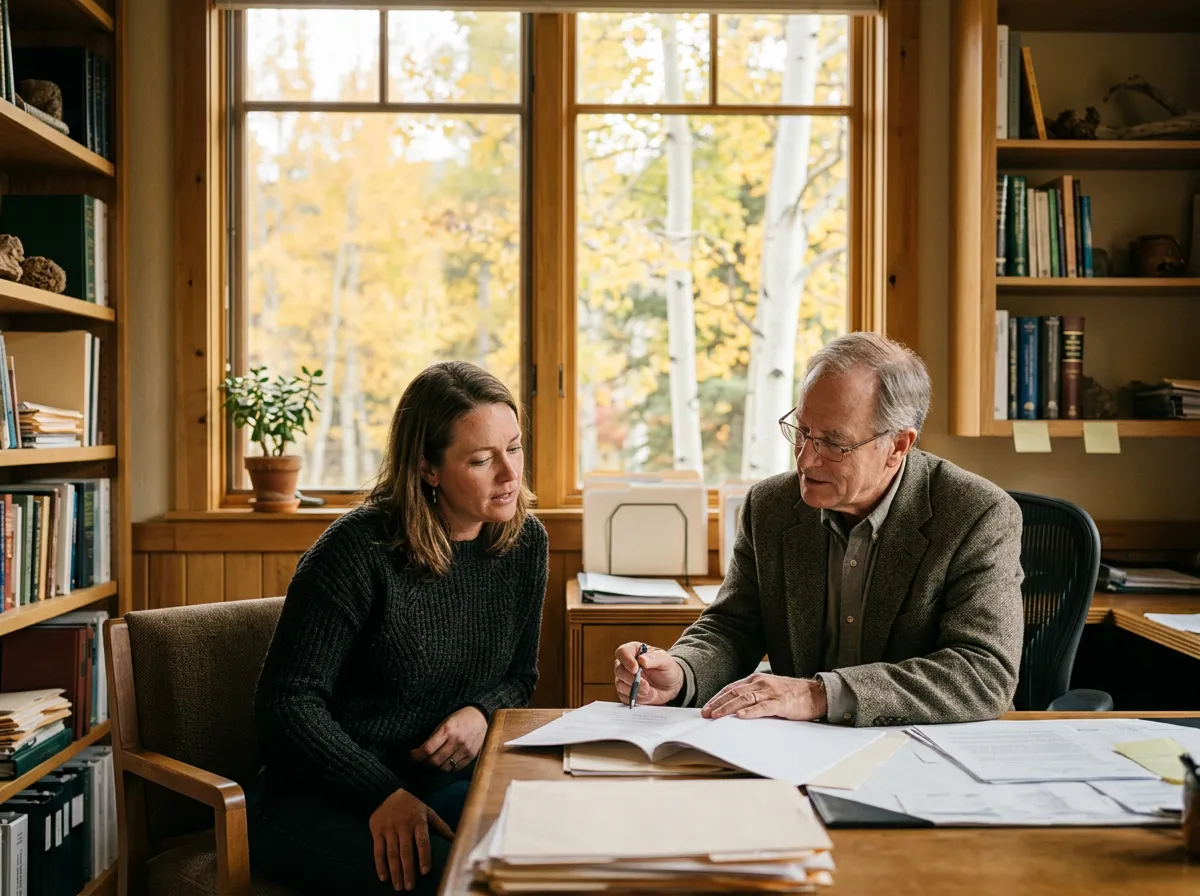

Meet your attorney
Personal attention, from first call to final signature.
You’ll work directly with Brian, who takes time to understand your family, explains each option in plain language, and lets you decide at your own pace.
What you can expect
- Direct access
- Work with Brian throughout
- Clear explanations
- Plain language, practical options
- No surprises
- Fees discussed before work begins
Probate guides
Probate guides and answers
Plain-language help for families and personal representatives settling an estate in Colorado.
All guides →Guide · Probate
What to Expect From Probate in Colorado
A step-by-step overview for personal representatives, from the first filing to closing the estate.
Guide · Probate
What to Do in the First 30 Days After a Loss
Calm, practical first steps for families and anyone named personal representative.

Guide · Trust administration
Settling a Loved One's Living Trust
What a successor trustee needs to do, and how it differs from probate.
Common questions
Probate questions we hear often.
General information, not legal advice. For guidance on your situation, schedule a free consultation.
Browse all probate FAQs →What is probate in Colorado?
Probate is the court process used to handle certain matters after someone dies, such as appointing a personal representative and settling the estate. The right process depends on what the person owned and whether there was a will.
What happens if someone dies without a will?
Colorado law decides who inherits, and the court appoints someone to manage the estate. A will lets you make those choices yourself.
How are fees discussed?
We talk about fees during your free 30-minute consultation, before any work begins, so you know what to expect.
Your next step
You don’t have to figure this out alone.
Talk with an attorney about your situation in a free 30-minute consultation.